Chemical Threats and Hazards
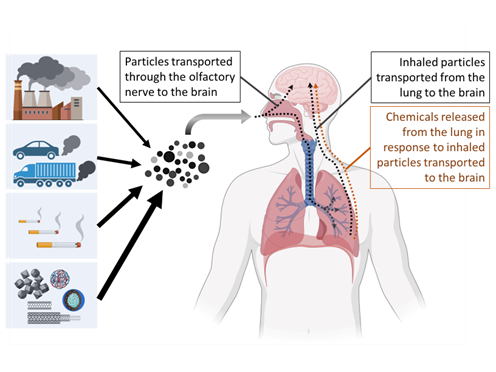
Women scientists lead UKHSA's National Institute for Health and Care Research (NIHR) Health Protection Research Unit (HPRU) in Chemical Threats and Hazards. This HPRU aims to use new methods and collaborative working to provide a major improvement in our ability to detect exposures to chemicals, metal and air pollution in our daily lives and monitor and predict how they affect our health. Dr Karen Exley (HPRU Lead) and Dr Kerry Broom (Knowledge Mobilisation Lead) ensure the HPRU's aim - of creating lasting public health impact - is achieved through stakeholder mapping and engagement with strategic collaobrations in the areas of air pollution and public health. The HPRU Deputy Lead, Dr Emma Marczylo, is exploring the use of cutting-edge artificial intelligence technology to monitor pollen and other biological airborne particles in real time to help those with allergies and asthma better manage their symptoms.
Vital research on radiation and environmental protection is informed by the International Commission on Radiological Protection, and a cross-European strategic partnership of research and innovation, both of which include UKHSA scientists.
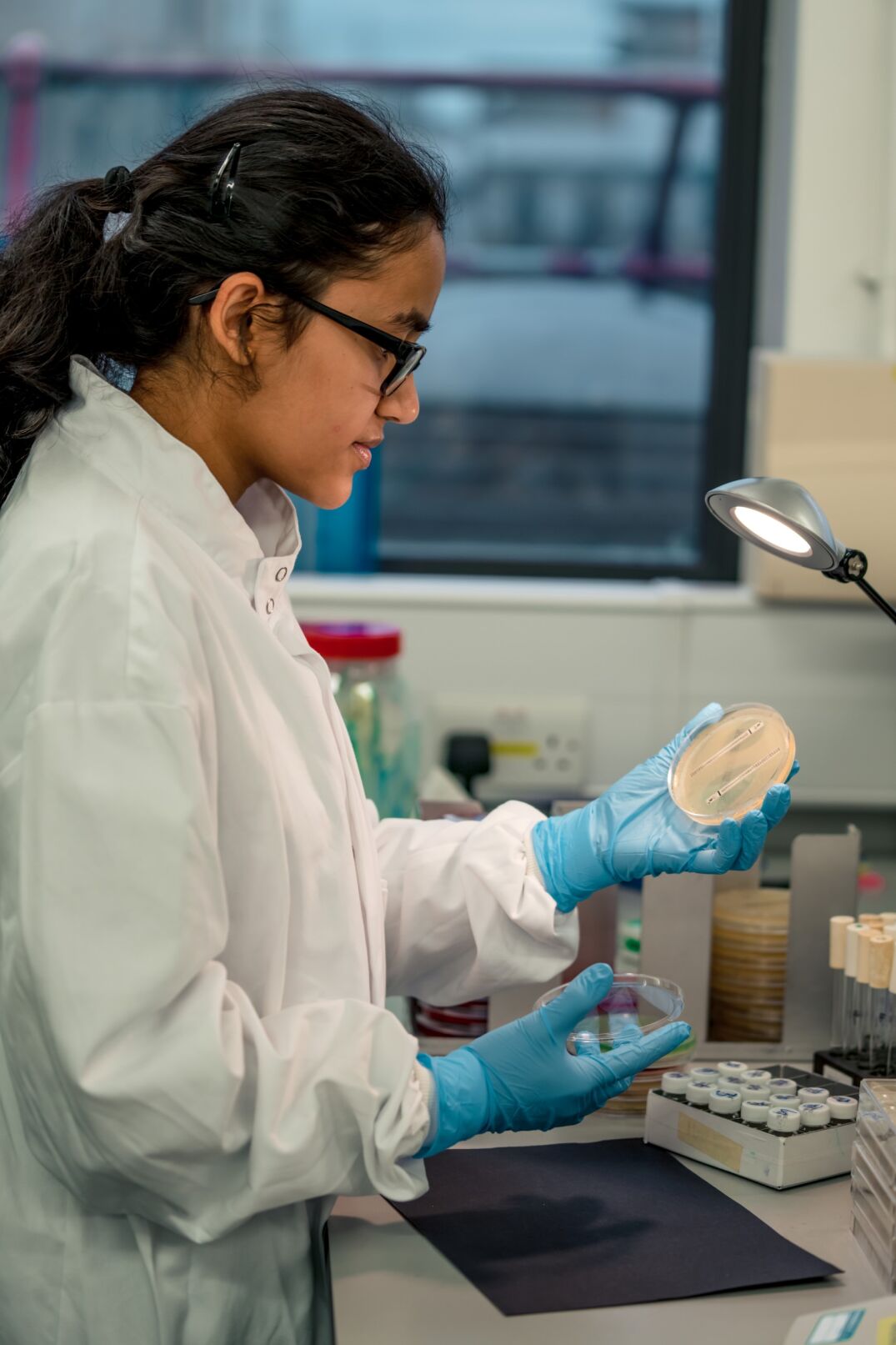
Our women scientists also contribute to global innovation in radiation protection and regulation research. Dr Ashveny Ashok, an early career Radiation Protection Scientist, has focussed her research on developing an assay to detect radiation exposure, enabling healthcare teams worldwide to respond quickly to emergencies (even in low-resource settings). Ashveny will also be representing the British Pharmacological Society at Voice of the Future 2026. Laura Gerla, an Environmental Survey Manager in Radiation Metrology, supports the work of the Office for Nuclear Regulation by assessing public doses through perimeter monitoring and contributing to the delicensing of nuclear sites. Laura's work provides critical science-driven guidance to regulators and communities ensuring safety and trust in the nuclear landscape.
Research at UKHSA drives innovation and strengthens preparedness against infectious diseases, environmental hazards and emerging threats. Central to this mission is tackling health disparities with evidence-based, equitable approaches in which women scientists at UKHSA play a vital role - not only advancing technical research but also shaping the future workforce and embedding equity in science.
UKHSA has a strategic partnership with the Women into Science and Engineering Network, which aims to support the STEM sector by: (1) enabling and promoting the participation, contribution and success of women, (2) providing supportive communities, networking opportunities and platforms to celebrate achievements and (3) ensuring women in STEM are visible and valued.
Further Reading:
How cutting-edge AI technology could hold the key to forecasting the pollen count. Author: UKHSA.
Video Links:
An Introduction to the HPRU in Environmental Exposures and Health Author: University of Leicester
Bioaerosols and Health Author: NIHR HPRU (2024).
Indoor Air Quality and 3D Printing Author:NIHR HPRU (2024).
Chemical Threats and Hazards